 English
  Tiếng Việt
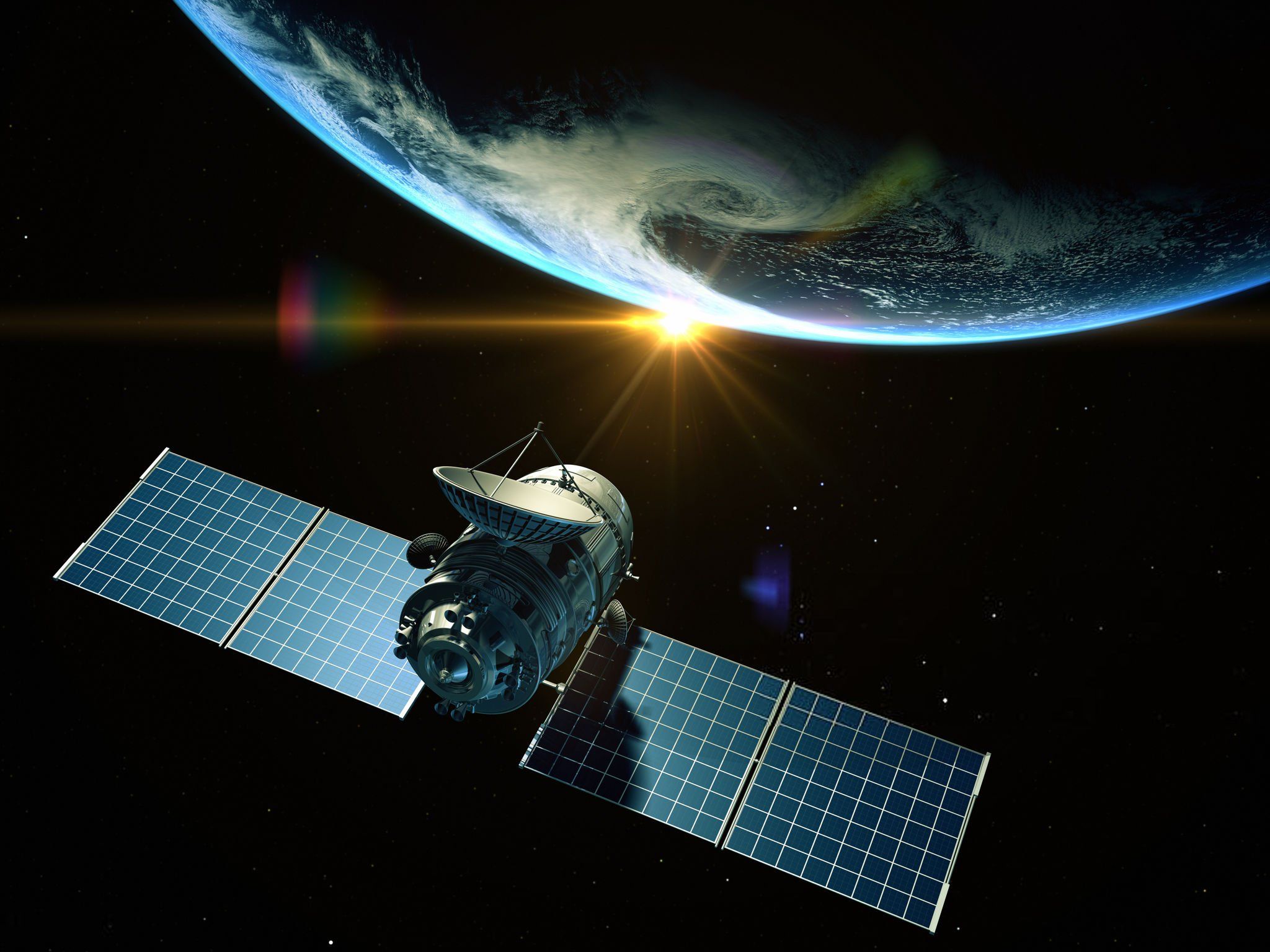
 Satellite internet today has become a lifesaver for areas that are difficult to access traditional internet services. However, before deciding on satellite internet, there are many factors to consider carefully. Each factor can greatly affect your experience quality and costs. Let's explore the 5 most important factors to consider before deciding to use this service.
satellite Internet
1. Connection Speed: Can You Maintain a Smooth Experience?
When thinking about satellite internet, one of the first questions is: Is satellite internet connection speed fast enough? The download and upload speeds of this service have significantly improved in recent years thanks to new generation satellite technologies like SpaceX's Starlink. However, compared to fiber optic internet or 4G/5G mobile networks, satellite internet can still be unstable, especially during times of congestion or bad weather.
Download speed: On average, satellite internet can provide download speeds ranging from 20 Mbps to 150 Mbps, depending on the provider and service plan.
Upload speed: Upload speeds can range from 5 Mbps to 20 Mbps, a reasonable rate for office work and video calls.
Although this speed is sufficient for watching Full HD videos, browsing the web, or participating in online meetings, if you are an online gamer, the speed and latency requirements may disappoint you. Applications like online games, 4K streaming, or downloading large data files may experience interruptions or latency issues.
SEO keywords: satellite internet speed, satellite connection speed, high-speed satellite internet
2. Usage Cost: Are You Willing to Invest?
One of the things users often don't anticipate when using satellite internet is the cost. The cost of using satellite internet services can be much higher than regular internet services, especially when you consider the equipment installation costs and monthly service fees.
Installation cost: To use satellite internet, you will need a satellite transceiver (antenna), installed in a clear area where it can receive the best signal. The price of this equipment can range from $300 to $500 (or more), depending on the service provider.
Monthly cost: Although monthly service costs may decrease as technology develops, current prices still range from $50 to $150/month depending on the service plan and speed.
While satellite internet can be very useful for remote areas, this cost can be an important factor to consider, especially when more affordable alternatives like 4G or 5G internet are available.
SEO keywords: satellite internet cost, satellite internet installation price, satellite internet package price
3. Latency: Is It a Barrier for Time-Sensitive Activities?
Latency is the time it takes from when you send a request until you receive a response from the internet. Satellite internet, due to the nature of the signal having to travel to a satellite in a distant orbit and back to Earth, has higher latency than fiber optic internet or 4G.
Average latency of satellite internet: Approximately 500 ms to 1000 ms (milliseconds). Compared to fiber optic networks, latency can be as low as 10 ms to 30 ms, therefore, satellite internet can cause problems in activities requiring fast response times such as online gaming, video calls, or online financial transactions.
For office workers or those who only need to browse the web, this latency may not be a major issue. However, if you are a gamer or a user of applications that require instant response, satellite internet may not be the ideal choice.
SEO keywords: satellite internet latency, latency and stability, latency in satellite internet
4. Weather Impact: When Storms Disrupt Connectivity
One of the biggest limitations of satellite internet is its dependence on the weather. During heavy rain, large storms, or thick snowfall, satellite signals can be interrupted or weakened, leading to a decrease in connection quality.
Rain Fade Phenomenon: When it rains or there is dense fog, satellite waves can be absorbed or reflected, weakening the signal. This can cause the connection to slow down or lose signal completely for a short period.
Snow and strong winds: Can also affect the stability of the satellite connection.
If you live in an area with unstable weather or prolonged rainy seasons, you need to carefully consider whether satellite internet can meet your needs in these situations.
5. Coverage: Can Satellite Internet Meet Your Needs?
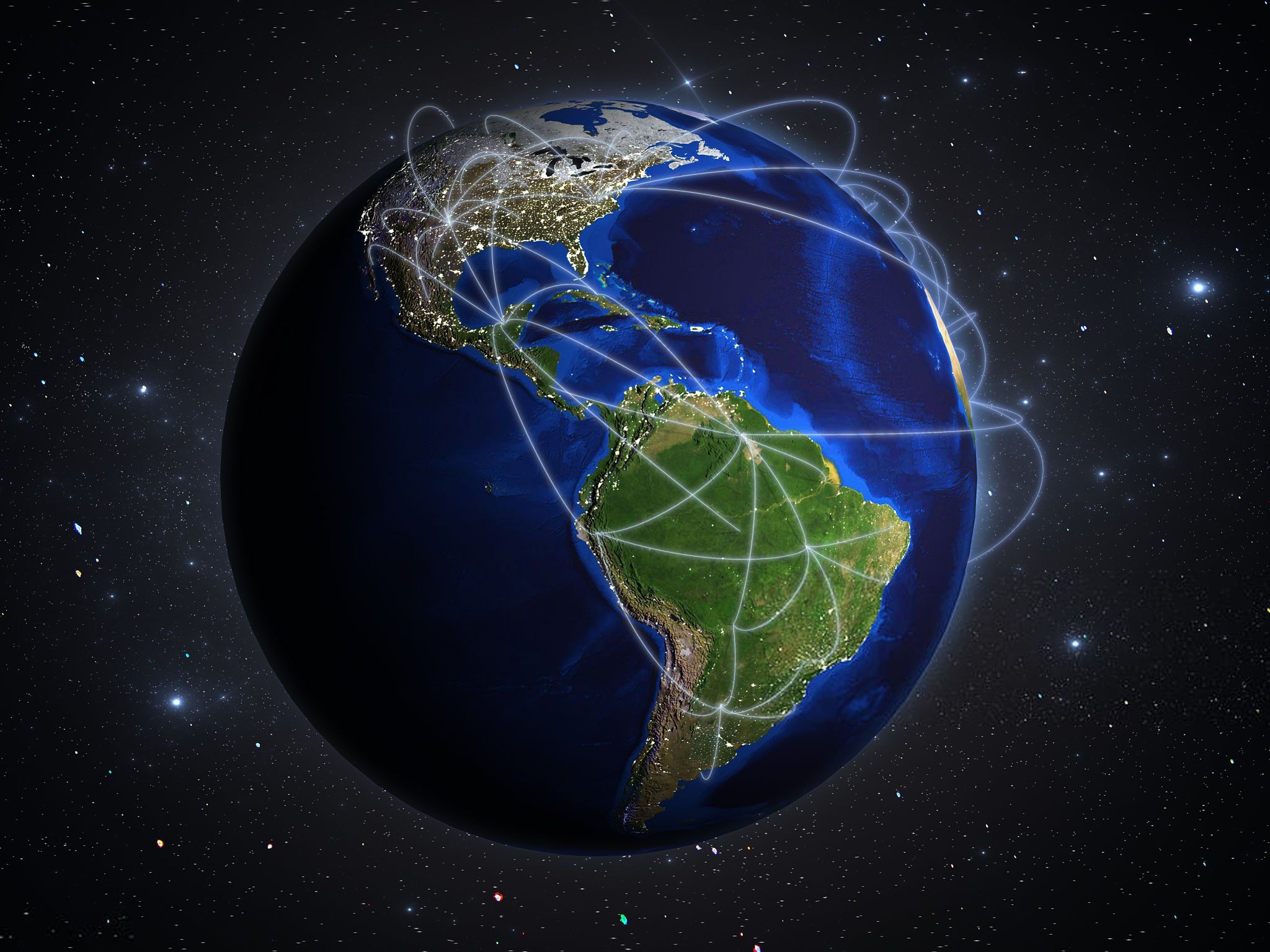
One of the greatest advantages of satellite internet is its ability to provide service almost anywhere in the world, especially in remote and rural areas lacking fiber optic or mobile networks.
However, not all areas are consistently covered by satellite service providers. Some areas may experience difficulties connecting, particularly in regions with complex terrain where satellite signals are not easily accessible.
Carefully check the coverage information and signal stability of satellite services in your area before deciding to sign up.
, the satellite project founded by
Conclusion: Is Satellite Internet Right for You?
Using satellite internet can be an excellent solution if you live in an area without fiber optic or other internet connections. However, you need to carefully consider factors like speed, cost, latency, weather impact, and coverage before making a decision. Ensure that satellite internet can meet your needs and that you are prepared to invest in this technology with its pros and cons.