 English
  Tiếng Việt
 In the context of natural disasters and emergencies, maintaining stable communication is a key factor in ensuring safety and effectiveness in rescue operations. Satellite phones play an indispensable role in emergency preparedness and response, especially in situations of natural disasters and serious incidents. stand out as a reliable communication solution, overcoming the limitations of traditional mobile networks.
What is a satellite phone?
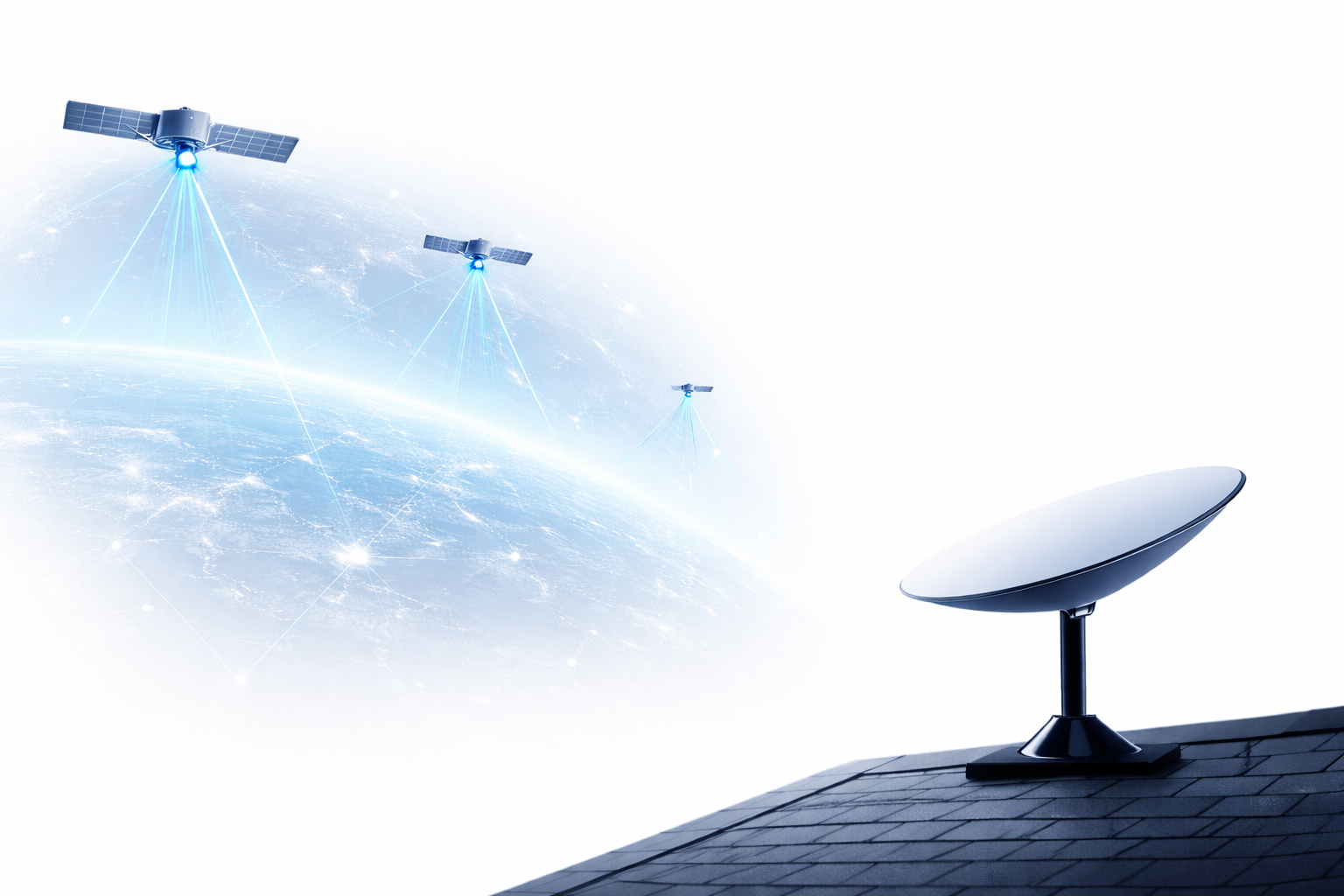
A satellite phone is a communication device that uses signals from satellites orbiting the Earth, allowing for connection anywhere, including areas without terrestrial telecommunications infrastructure. Unlike mobile phones that depend on cell towers, satellite phones ensure communication even when ground infrastructure is disrupted by natural disasters or other incidents.
The role of satellite phones in emergency response
1. Maintaining communication when telecommunications infrastructure is disrupted
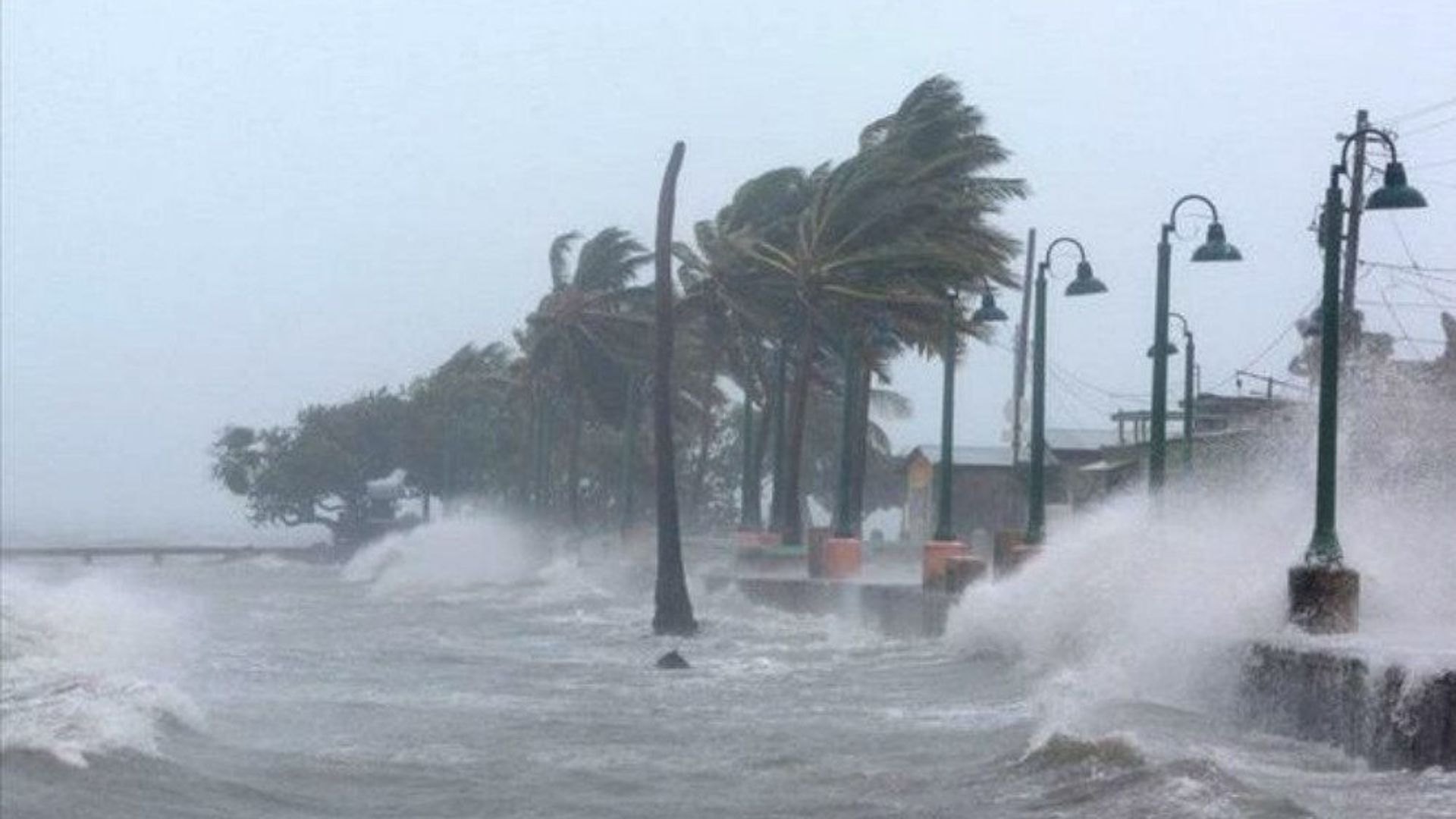
In disasters such as earthquakes, storms, and floods, traditional telecommunication systems are often damaged, making communication difficult. Satellite phones, independent of ground infrastructure, allow rescue teams and victims to maintain contact, transmitting crucial information continuously and stably.
2. Supporting rescue and search operations
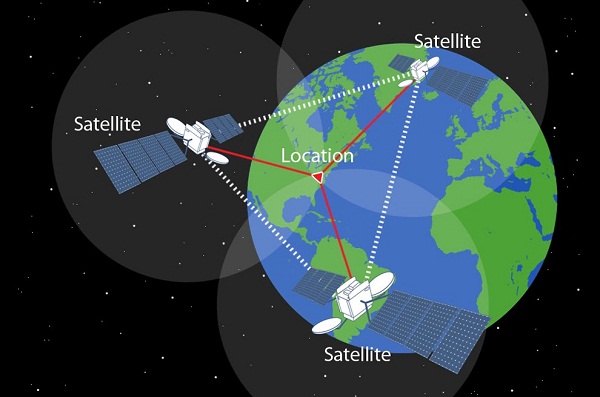
Satellite phones help rescue teams accurately pinpoint the location of victims through integrated GPS functionality, thereby increasing the speed and efficiency of search and rescue operations. The ability to instantly share geographical coordinates helps quickly locate areas needing assistance.
3. Coordinating between relief forces
In an emergency situation, many organizations and forces participate in relief efforts. Satellite phones provide a common communication channel, helping to effectively coordinate activities between parties, ensuring information is conveyed quickly and accurately.
4. Disaster Warnings and Preparation
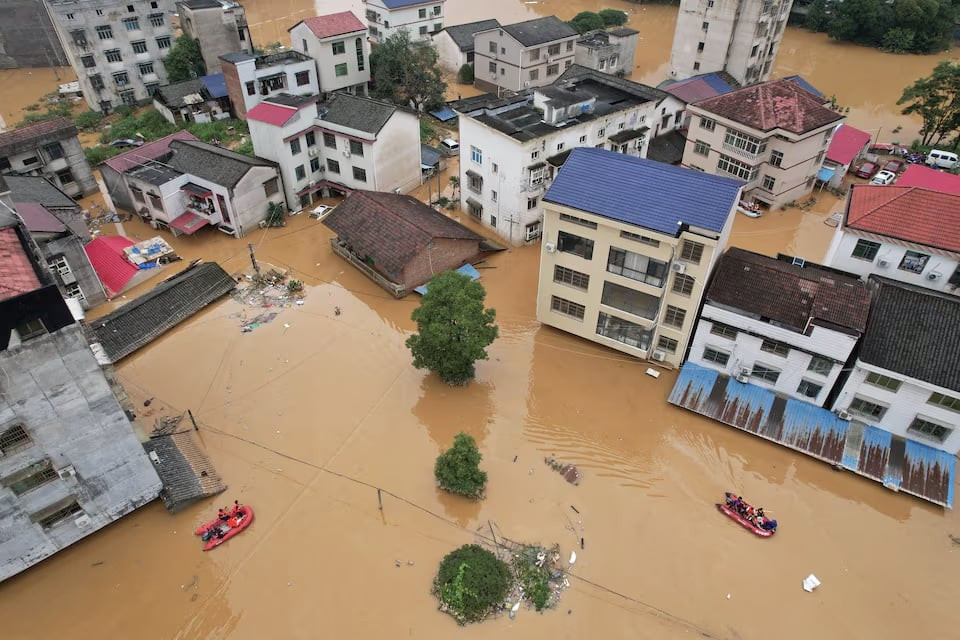
Using Satellite Phones for Communication During Floods
Before a natural disaster strikes, using satellite phones to send early warnings to at-risk areas helps people prepare and minimize damage. The ability to operate independently of ground infrastructure makes satellite phones an ideal tool for broadcasting emergency notifications.
Advantages of Satellite Phones Compared to Traditional Mobile Networks
-
Global Coverage: Operates anywhere in the world, including remote areas and at sea.
-
High Reliability: Unaffected by ground infrastructure failures, ensuring continuous communication in all situations.
-
Portability and Rapid Deployment: Easy to carry and use when needed, without requiring complex infrastructure.
Considerations When Using Satellite Phones
-
High Cost: The cost of equipment and communication fees is often more expensive than regular mobile phones.
-
Requires Clear Line of Sight: To ensure good connectivity, use in areas with a clear view of the sky, avoiding obstructions such as tall buildings or dense trees.
-
Limitations in size and weight: Some satellite phone models are bulkier than traditional mobile phones.
Conclusion
Satellite phones play an indispensable role in emergency preparedness and response, especially in situations of natural disasters and serious incidents.The ability to maintain stable communication, support rescue efforts, and facilitate effective coordination among relief forces makes satellite phones a crucial tool, contributing to the protection of lives and property in the most challenging times.