 English
  Tiếng Việt
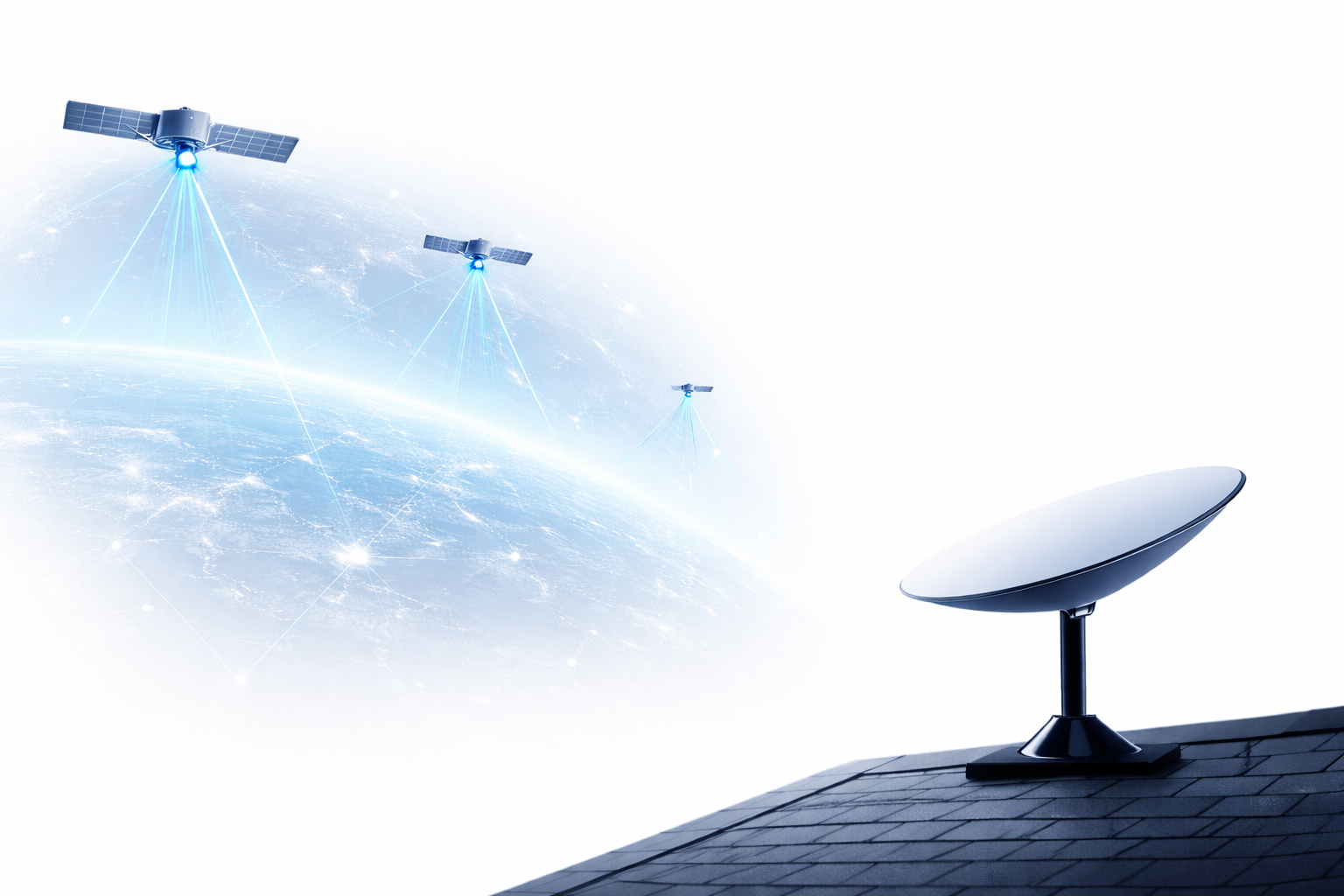
 Internet of Things (IoT) is a system of interconnected smart devices, sensors, and technologies that collect and exchange data over the internet. When IoT is combined with satellite technology, we have connectivity, satellite IoT, an advanced technology that enables monitoring and data collection from all over the world, including hard-to-reach areas. This is especially useful for monitoring public health and epidemics, particularly as new epidemics are emerging and can spread rapidly.
In this article, we will explore how community health satellite IoT can play a crucial role in monitoring, predicting, and preventing epidemics on a global scale.
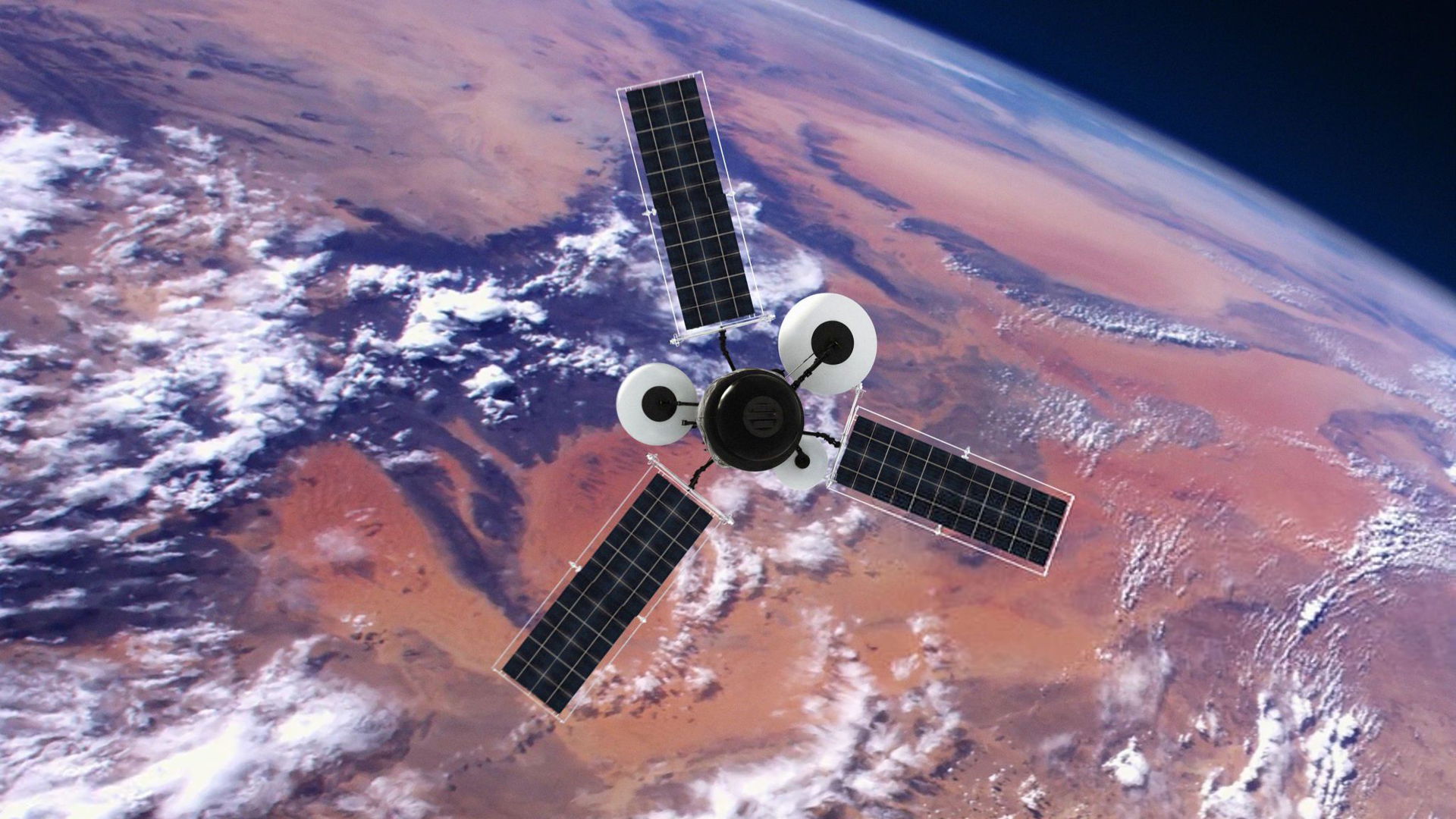
A satellite
1. Satellite IoT and Epidemic Monitoring Capabilities
Epidemics can erupt rapidly and spread across various regions, making disease monitoring and control a major challenge for health authorities. However, connectivity, satellite IoT can help address this issue by collecting and analyzing data from all parts of the world.
Satellite IoT can monitor various environmental factors such as temperature, humidity, population density, and other factors that affect disease transmission. For example, some viruses and bacteria thrive in certain climatic conditions, such as high temperatures and humidity. With the ability to monitor the environment from space, satellite IoT can provide detailed information to help predict and prevent epidemics.
2. Specific Applications of Satellite IoT in Disease Surveillance and Public Health
Monitoring the environment and epidemic risk factors
Satellite IoT can provide information on environmental factors affecting public health. Sensors on satellites can measure climate indicators such as temperature, humidity, air quality, and other factors related to the development and spread of diseases. For example, during flu season or a Zika virus outbreak, satellite IoT can monitor high-risk areas, providing timely warnings.
Tracking disease movement
Satellite IoT can track the movement of humans and disease-carrying animals, helping to predict areas at risk of epidemic outbreaks. Satellite data can analyze movement patterns and assist health authorities in coordinating preventive measures, such as quarantine and more effective disease control.
Collecting public health data
Through sensors mounted on satellites, data on public health, such as morbidity rates, mortality rates, and the disease situation in different regions, can be collected and analyzed. This not only helps monitor the public health situation but also supports timely response strategies in the event of an epidemic outbreak.
3. Benefits of Satellite IoT in Public Health Management
Global reach
Một trong những ưu điểm lớn của community health satellite IoT is its ability to monitor on a global scale. Satellites can track disease outbreaks in remote areas where traditional health facilities or monitoring stations cannot reach. This helps to provide comprehensive and timely information about diseases, minimizing the risk of spread.
Real-time data analysis
Satellite IoT can collect and transmit data in real-time, allowing health agencies to make quick and accurate decisions. This is especially important in emergency situations, when diseases can spread rapidly and timely response is critical.
Disease forecasting and response
One of the notable capabilities of satellite IoT is its ability to forecast disease outbreaks. Based on data models collected from satellites, scientists and health experts can predict the occurrence of diseases and implement effective preventive measures. This helps save resources and time, while reducing damage to the community.
Reducing the cost of public health monitoring
With the ability to automatically collect and analyze data from satellites, IoT helps reduce the cost of disease monitoring and management compared to traditional methods. There is no need to send personnel to collect information on-site, as all data can be processed remotely through satellite sensors.
4. Challenges and Future Potential of Satellite IoT
Although community health satellite IoT has great potential, the implementation of this technology still faces some challenges. The first is the cost of developing and maintaining satellite systems, as well as the complexity of integrating sensors and analyzing large amounts of data. However, with the advancement of technology and artificial intelligence (AI) solutions, these challenges are gradually being addressed.
Trong tương lai, connectivity, satellite IoT promises to become an indispensable tool in public health monitoring and management, helping to prevent and mitigate the impact of diseases on a global scale.

A satellite
Conclusion
community health satellite IoT is ushering in a new era in disease surveillance and management. With the ability to track data from space, analyze environmental factors, human mobility, and predict disease outbreaks, this technology will help health authorities be more proactive and effective in protecting public health. Despite some challenges related to cost and technology, with the continuous development of IoT and satellite solutions, the future of community health satellite IoT is certainly promising.