 English
  Tiếng Việt
 Choosing a Satellite Two-Way Radio Antenna: The Secret to Stable Connection Anytime!
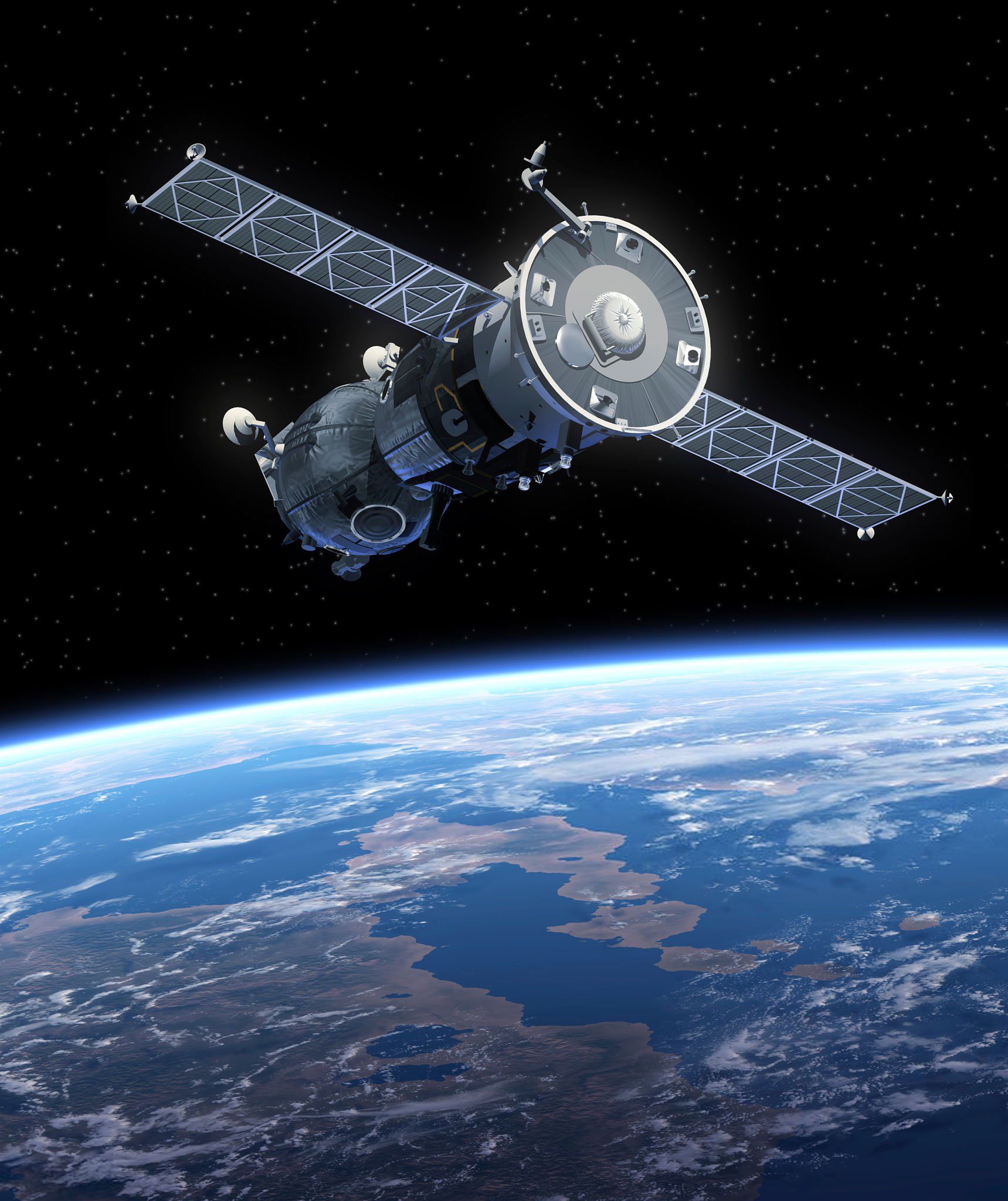
A satellite
When using a satellite two-way radio in remote areas or emergencies, a strong signal is the
1. Why is the Antenna the "Soul" of a Satellite Phone?
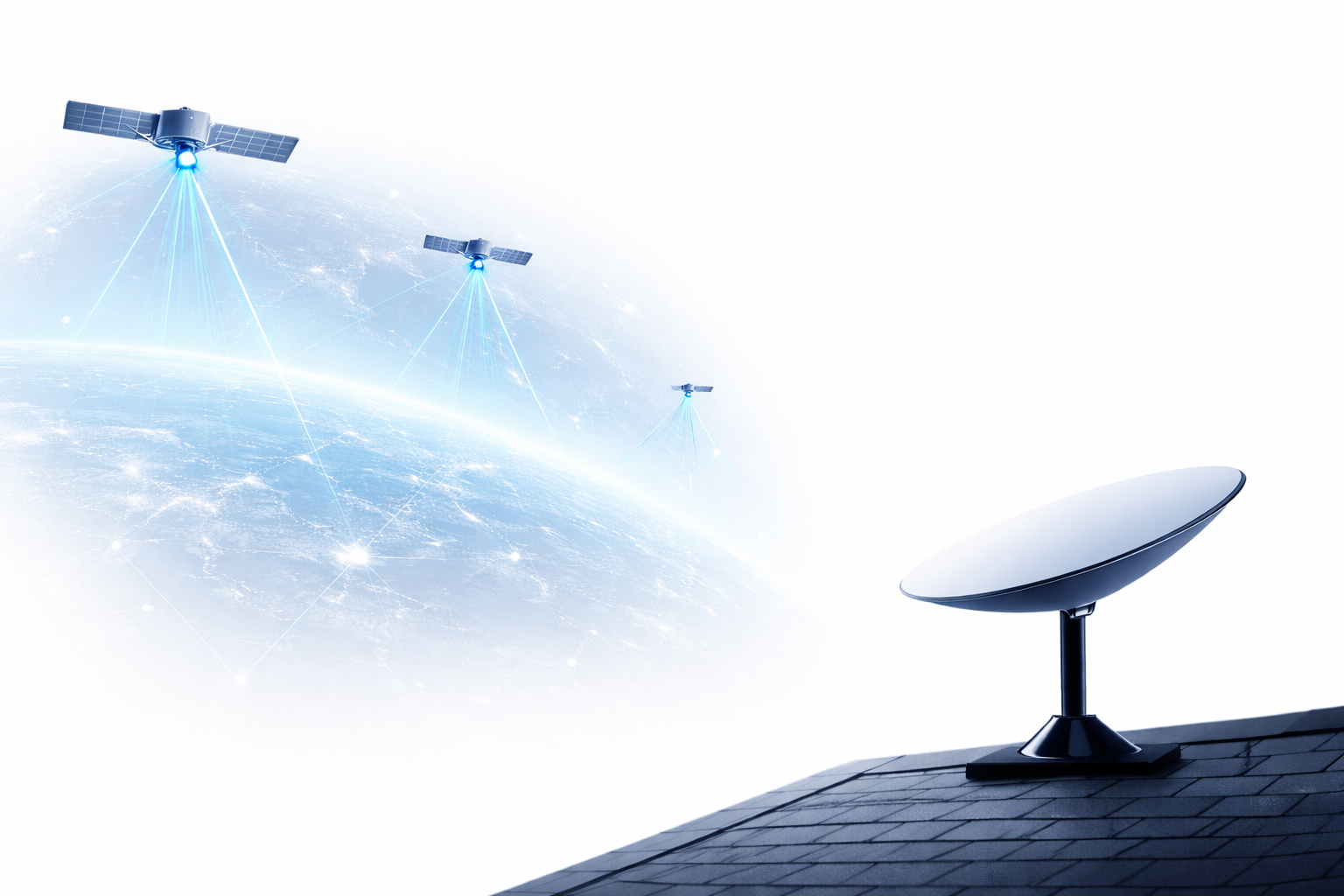
The antenna is the "doorway" for the phone to receive and transmit signals from satellites. A good antenna helps you stay connected whether in the desert, deep forest, or in the middle of a storm. Conversely, if chosen incorrectly, weak signals, choppy calls – even loss of connection – can put you in a difficult situation. Especially in rescue or exploration, the role of the antenna becomes even more crucial.
2. Types of Satellite Phone Antennas
External Antenna
- Features: Attached to the phone, enhancing signals in hard-to-reach places.
- Advantages: Strong, stable signal even in remote areas or bad weather.
- Disadvantages: Bulky, requires carrying a separate accessory.
Internal Antenna
- Features: Built into the phone, compact.
- Advantages: Convenient, no assembly required, easy to carry.
- Disadvantages: Weaker signal in areas with obstructions like forests, mountains.
Whip Antenna
- Features: Flexible extension, easy to adjust direction.
- Advantages: Optimize signal by rotating and adjusting.
- Disadvantages: Easily affected by strong winds or large obstacles.
3. Tips for Choosing the Right Antenna
Check Compatibility
Each walkie-talkie has a different connection port. Before buying, carefully check the specifications – is the antenna "compatible" with your device? Some models can only use external antennas, while others have built-in ones.
Consider the Usage Environment
- Outdoors, remote areas? Choose an external antenna for better "reception".
- In the city or areas with strong signals? A built-in antenna is sufficient, compact and lightweight.
- Working in mountains or at sea? Prioritize types that can withstand wind, rain, and harsh temperatures.
Signal Sensitivity
Satellite signals can weaken due to thick clouds, heavy rain, or natural obstacles. Choose an antenna with high sensitivity to "overcome" these conditions and ensure uninterrupted communication.
Size and Portability
Traveling far, need to be light? Choose a compact antenna. Prioritize stronger signal over convenience? A larger antenna will be a powerful "assistant". Consider your actual needs!
4. Top Reliable Antenna Brands
- Using a satellite hotspot: For polar regions, super strong signal.
- : This is one of the most popular satellite phone brands, with global connectivity and stable signals even in remote areas, including the polar regions.: Flexible, suitable for various terrains.
- : With reasonable costs and wide coverage, Thuraya is chosen by many small and medium-sized businesses.: Stable, durable in all conditions.
- continue to provide specialized connectivity services for complex IoT needs in hard-to-reach areas.: Good price, stable performance.
- Garmin: Compact, ideal for exploration.
These brands often design custom-made antennas for their radios, ensuring optimal performance.
5. Tips for Effective Antenna Use
- Place the antenna in an open position, avoiding obstacles like trees and mountains.
- Adjust the direction upwards to best "catch" satellites.
- Perform regular checks, protect from water and dust to extend lifespan.
Conclusion: Choose the Right Antenna, Ensure a Solid Connection!
An antenna is not just an accessory – it is the "key" to stable communication for satellite radios. Depending on your environment, needs, and equipment, you can choose the right type to never lose signal. Consider carefully, consult experts, and conduct practical tests to find your ideal "companion".
Have you chosen an antenna yet? Do you have any experience using satellite radios? Share in the comments below and spread the word to help everyone!