 English
  Tiếng Việt
 In the modern world, maintaining communication anywhere on Earth is extremely important, especially for those working in harsh environments or areas without cellular networks. One of the most effective connection solutions is to use satellite phones. With their ability to operate independently of cellular network infrastructure, satellite phones have become indispensable communication tools in many fields such as rescue, exploration, military, and industry.
A satellite
1. What is a Satellite Phone?
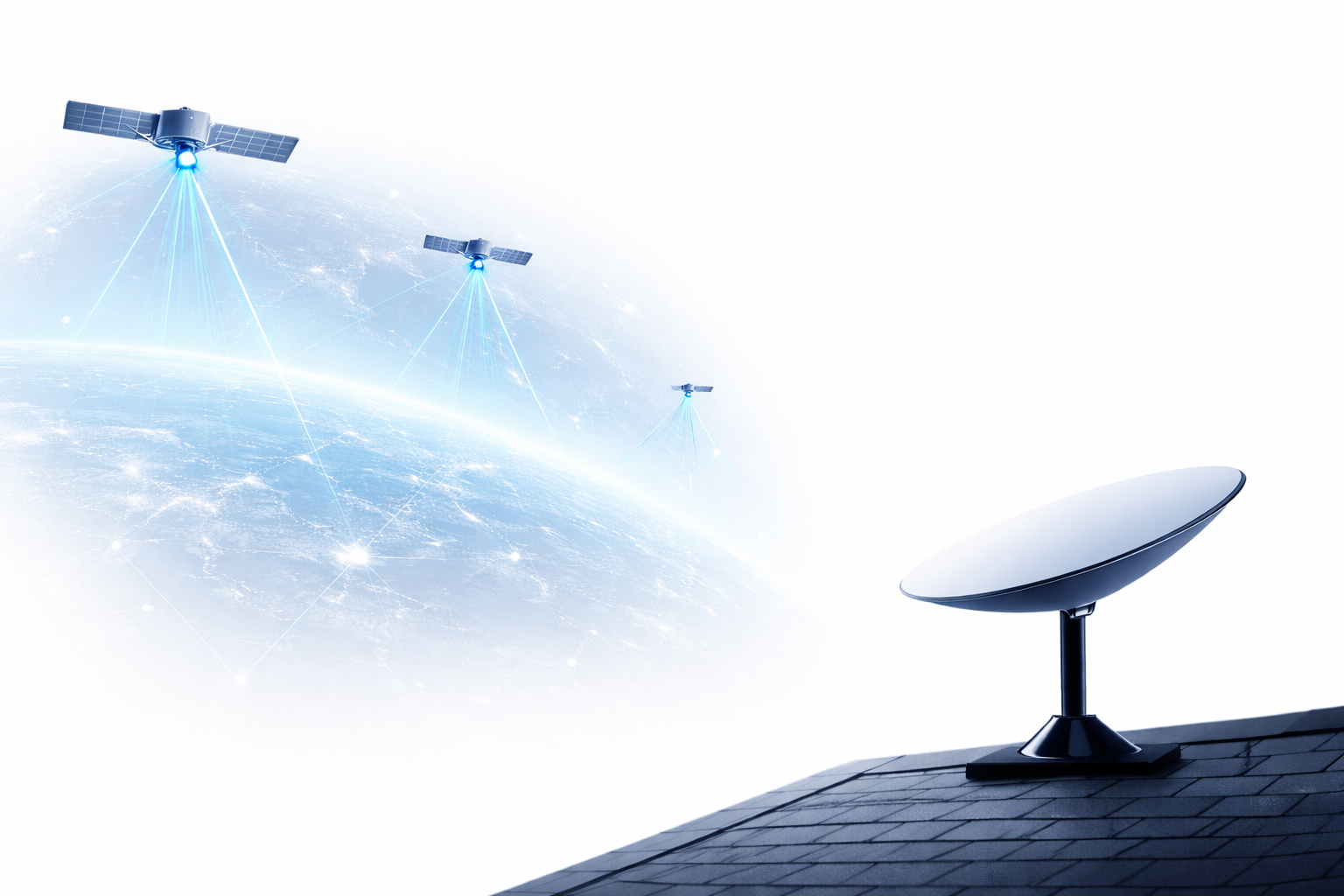
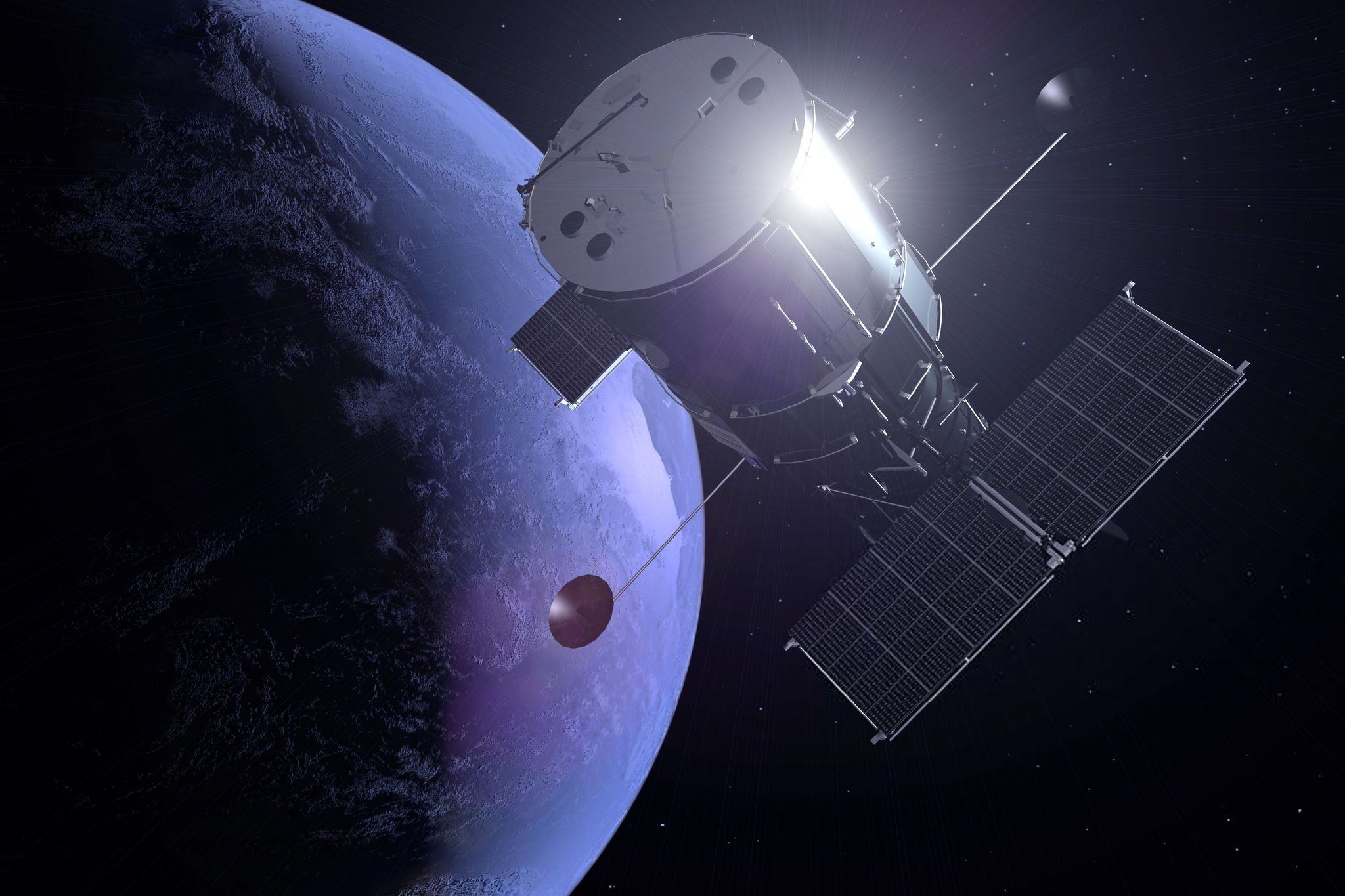
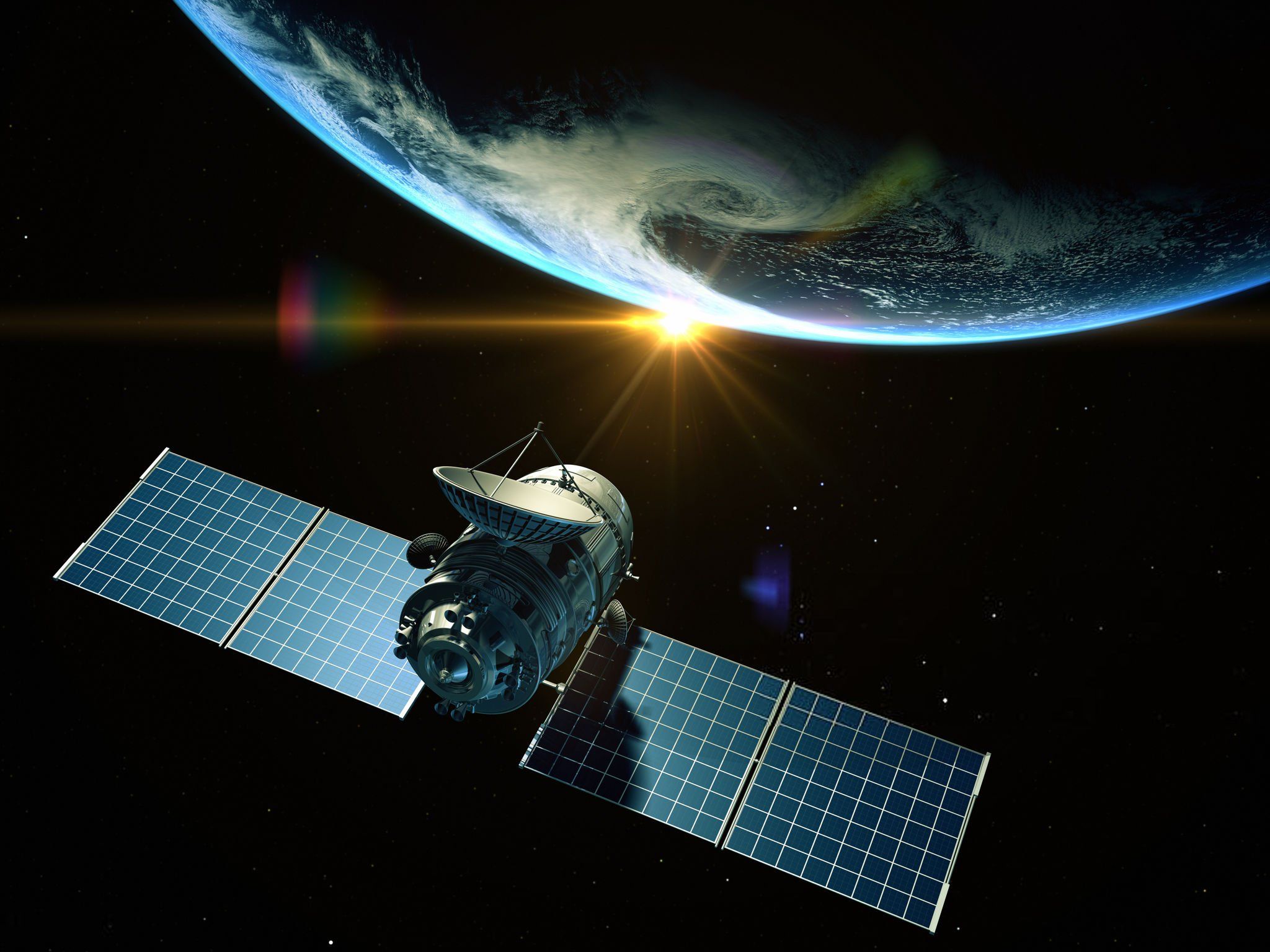
Satellite phones is a communication device that uses satellites instead of traditional radio waves or cellular networks for connection. When using a satellite phone, the signal is transmitted from the device to a satellite, and then the satellite relays the signal to ground stations or other satellites. This allows users to maintain communication in areas without phone signals or internet, such as high mountains, oceans, or remote regions where mobile infrastructure cannot provide coverage.
2. Popular Types of Satellite Phones
Satellite phones are divided into two main types: simple satellite phones and smart satellite phones.
- Simple satellite phones: This is the basic type of satellite phone, primarily serving simple and effective communication conversations, suitable for outdoor work or in emergency situations.
- Smart satellite phones: This type of satellite phone not only has the ability to make phone calls but also supports messaging, data transmission, and can even connect to mobile applications. This is a popular choice for adventurers, companies, rescue organizations, or military units.
3. Outstanding Features of Satellite Phones
3.1. Global Communication
One of the strengths of satellite communication is the ability to connect anytime, anywhere globally, as long as there is a direct line of sight to the sky. This makes satellite phones an ideal solution for remote areas, at sea, in disaster zones, or during expeditions in faraway places.
3.2. High Reliability
Satellites are designed to operate stably even in harsh conditions, such as storms, snow, or in extreme climate zones. Therefore, satellite phones have much higher reliability than traditional terrestrial communication systems.
3.3. Ease of Use
One of the advantages of satellite phones is their ease of use. Users do not need to worry about complex configurations or complex network connection issues like when using mobile devices. Simply turn on the device and press the button to communicate for an instant connection.
4. Applications of Satellite Phones
Satellite phones are widely used in many industries and fields, especially in situations where mobile networks cannot be used. Here are some typical applications:
4.1. Rescue and Emergency Management
In rescue operations, especially when natural disasters such as earthquakes, storms, or floods occur, satellite communication systems play a crucial role in maintaining contact between rescue teams and command centers. Satellite phones help them easily exchange information and coordinate relief efforts quickly and promptly.satellite communicationFor those participating in expeditions or traveling in remote areas, satellite phones are a life-saving communication tool. Not only do they help communicate with teammates, but satellite phones can also help them call for assistance when facing emergencies in places without mobile networks.
4.3. Military and Security
Military and security forces use satellite phones to maintain communication during operations. Satellite connectivity allows them to exchange information in difficult battlefield environments where terrestrial network signals may be unstable.
4.4. Research and Surveying
Satellite phones are also used in scientific research, geological, geographical, and environmental surveys. Scientists can easily exchange information and report data from research areas without worrying about the lack of network connectivity.
5. Benefits of Satellite Phones
5.1. Global Reach
5. Benefits of Satellite Phones
5.1. Global Reach
Satellite phones provide worldwide connectivity without being limited by mobile infrastructure. This is crucial for individuals working in remote areas where maintaining communication is extremely difficult.
5.2. Safety and Security
In emergency situations or when encountering problems in unsafe environments, satellite phones help ensure the safety of users by allowing them to send distress signals or request help remotely.
5.3. Long-Term Cost Savings
Compared to using other communication methods, satellite phones offer cost savings for communication, especially in areas without mobile or internet network infrastructure.
A satellite
Conclusion
Satellite phones are a powerful and indispensable communication solution for those who need to stay connected in all situations, anywhere in the world. With their superior features and diverse applications, satellite phones not only save costs but also ensure safety and efficiency in rescue operations, exploration, military activities, and outdoor pursuits. The use of satellite communication is becoming increasingly popular and plays a vital role in maintaining connectivity in harsh environments, enabling people to work and live more conveniently and safely.